
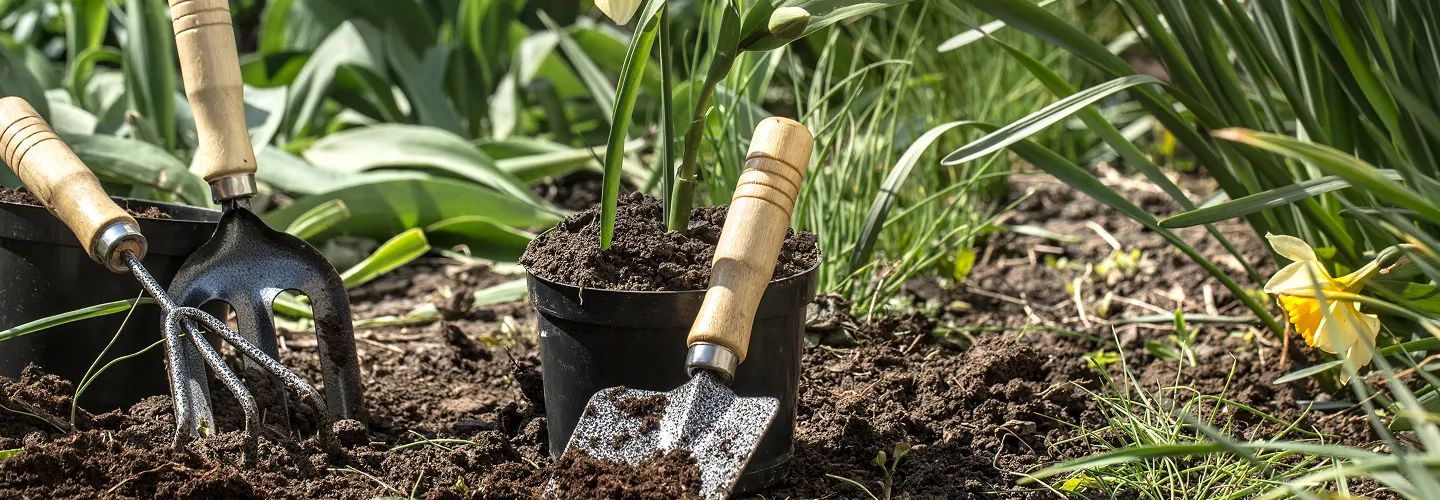
Atlanta Flower Planting Services
Choose our flower planting services for vibrant, expertly arranged blooms that enhance your curb appeal and thrive in Atlanta’s unique climate—bringing lasting beauty to your home or business.
Get a Free QuoteOur Atlanta Landscaping & Yard Care Services
When to Schedule Flower Planting in Atlanta, Georgia – Seasonal Guide
Flower planting in Atlanta is best scheduled with careful attention to the city’s unique climate and landscape. The optimal times for planting are typically early spring (late March to early May) and early fall (September to October), when soil temperatures are moderate and rainfall is more predictable. Atlanta’s last frost date usually falls in mid-March, making it safe to plant annuals and perennials soon after. Neighborhoods like Virginia-Highland and Buckhead, with their mature tree canopies, may experience more shade and cooler microclimates, while areas near Piedmont Park or Grant Park benefit from open, sunlit spaces ideal for sun-loving blooms.
Local environmental factors such as high summer humidity, occasional droughts, and the region’s clay-heavy soils play a significant role in determining planting success. Homeowners should also consider municipal watering restrictions and the impact of Atlanta’s rolling terrain on drainage. For more detailed local guidelines, consult resources like the City of Sudbury’s environmental recommendations, which offer valuable insights for urban gardeners.
Local Factors to Consider for Flower Planting in Atlanta
- Tree density and shade coverage in your neighborhood
- Soil type (clay, loam, or sandy soils)
- Average precipitation and drought risk
- Frost dates and seasonal temperature swings
- Terrain and drainage patterns
- Municipal watering restrictions and local ordinances
Benefits of Flower Planting in Atlanta
Expert Local Knowledge
Seasonal Plant Selection
Enhanced Curb Appeal
Eco-Friendly Landscaping
Low Maintenance Solutions
Increased Property Value

Atlanta Flower Planting Types

Annual Flower Planting
Seasonal annuals provide vibrant color and variety throughout the year.
-
Perennial Flower Beds
Perennials return each year, offering lasting beauty and low maintenance.
-
Native Flower Gardens
Native species thrive in Atlanta’s climate and support local pollinators.
-
Shade Garden Planting
Shade-loving flowers create lush, colorful spaces under trees and in low-light areas.
-
Pollinator-Friendly Planting
Attract bees, butterflies, and hummingbirds with pollinator-focused flower selections.
-
Container Flower Arrangements
Versatile container plantings add color to patios, decks, and entryways.
-
Seasonal Bulb Planting
Bulbs like tulips and daffodils provide early spring and fall blooms.
Our Flower Planting Process
Site Evaluation
Soil Preparation
Plant Selection
Careful Planting
Watering and Mulching
Why Choose Atlanta Landscape Services
-
Atlanta Homeowners Trust Us
-
Expert Lawn Maintenance
-
Competitive Pricing
-
Professional Team
-
Satisfaction Guarantee
-
Personalized Service
-
Reliable Scheduling
Seasonal Planting Windows for Atlanta's Piedmont Climate and USDA Zone 7b
Atlanta falls within USDA Hardiness Zone 7b, as confirmed by the USDA Plant Hardiness Zone Map, with average annual minimum temperatures ranging from 5°F to 10°F. This zone designation directly shapes planting windows for both annual and perennial flowers. Spring planting of warm-season annuals such as zinnias, marigolds, and vinca should begin after the average last frost date, typically mid-March to early April. Fall planting of cool-season flowers including pansies, snapdragons, and dianthus is most effective from late September through October, when daytime temperatures consistently fall below 75°F. Summer heat and humidity, monitored through the National Weather Service Atlanta forecast office, can stress newly established transplants, making early morning watering and mulching essential during June through August. Planting during extreme heat without adequate soil preparation and irrigation scheduling significantly reduces establishment success.
Atlanta's Cecil and Urban Fill Soils and Their Effect on Flower Bed Preparation
The predominant native soil series in Atlanta's Piedmont landscape is the Cecil series, a red clay Ultisol characterized by low organic matter, high compaction potential, and acidic pH typically ranging from 5.0 to 6.0. According to the USDA Web Soil Survey, many residential lots in Atlanta also contain disturbed urban fill soils with inconsistent drainage and compaction profiles. Effective flower bed preparation in these conditions requires:
- Tilling to a minimum depth of 8–12 inches to break compaction layers
- Incorporating 3–4 inches of compost or aged organic matter to improve drainage and nutrient availability
- Conducting a soil pH test before planting; most flowering annuals and perennials perform best between pH 6.0 and 6.8
- Applying lime if pH falls below 5.5, following rates recommended by UGA Cooperative Extension
- Avoiding planting in low-lying areas with standing water, which accelerates root rot in most flowering species
Soil amendment is not optional in Atlanta's clay-dominant landscape — it is a prerequisite for successful flower establishment.
Protecting Atlanta Watershed Corridors During Flower Bed Installation and Fertilization
Atlanta contains numerous stream corridors, including Peachtree Creek, Nancy Creek, and South River tributaries, all of which are subject to stormwater runoff protections administered by the Atlanta Department of Watershed Management. Flower planting activities near these corridors require careful management of soil disturbance, fertilizer application, and mulch placement to prevent nutrient-laden runoff from entering drainage systems. Under the Clean Water Act and Georgia's EPD Watershed Protection Branch standards, property owners and contractors should:
- Maintain a minimum 25-foot undisturbed buffer from stream banks where applicable under local ordinance
- Avoid applying granular or liquid fertilizers within 10 feet of storm drains, curb inlets, or drainage swales
- Use slow-release fertilizer formulations to reduce leaching potential during Atlanta's heavy summer rainfall events
- Stabilize disturbed bed areas with mulch immediately after planting to prevent erosion
Atlanta Department of Watershed Management
72 Marietta Street NW, Atlanta, GA 30303
Phone: (404) 546-0311
Official Website: Atlanta Department of Watershed Management
Invasive Plant Awareness and Native Flower Selection for Atlanta Landscapes
Flower planting in Atlanta requires awareness of invasive species that can spread from ornamental beds into adjacent natural areas, greenways, and stream corridors. UGA Extension's Invasive Species program identifies several ornamental plants commonly sold in Georgia that pose ecological risks, including English ivy, Chinese wisteria, and certain ornamental grasses. Property owners are encouraged to prioritize Georgia-native and regionally adapted flowering species, which are better suited to Atlanta's clay soils, summer humidity, and periodic drought. Recommended native and adapted options include:
- Black-eyed Susan (Rudbeckia hirta) — drought-tolerant, full sun, clay-adaptable
- Purple coneflower (Echinacea purpurea) — pollinator-friendly, heat-tolerant
- Wild blue indigo (Baptisia australis) — deep-rooted, low maintenance in Piedmont soils
- Oakleaf hydrangea (Hydrangea quercifolia) — shade-tolerant, native to Georgia woodlands
- Coral honeysuckle (Lonicera sempervirens) — non-invasive alternative to Japanese honeysuckle
Selecting non-invasive species reduces long-term maintenance burden and supports Atlanta's urban ecology goals.
Atlanta Inspections and Code Enforcement Standards Affecting Planting Bed Maintenance
Flower planting and bed maintenance in Atlanta are subject to property maintenance standards enforced by Atlanta Inspections & Code Enforcement. Overgrown vegetation, including unchecked ornamental plantings that encroach on sidewalks, rights-of-way, or neighboring properties, may constitute a code violation under Atlanta's property maintenance ordinances. Key compliance considerations include:
- Maintaining clear sightlines at driveways and intersections; plantings exceeding 30 inches in height within corner visibility triangles may be subject to trimming requirements
- Ensuring that flower beds along public sidewalks do not obstruct pedestrian access
- Avoiding placement of mulch, soil, or plant debris in the public right-of-way or storm drain inlets
- Confirming with the Atlanta Office of Zoning & Development whether any landscape installation on commercial or multi-family properties requires a landscape plan review under applicable zoning conditions
Atlanta Inspections & Code Enforcement
55 Trinity Avenue SW, Atlanta, GA 30303
Phone: (404) 330-6190
Official Website: Atlanta Inspections & Code Enforcement
What Neighborhoods Do We Serve Throughout Atlanta, GA?
- Buckhead: Established residential lots with mature tree canopy and significant shade coverage; flower bed selection must account for low-light conditions and root competition from large oaks and hardwoods.
- Inman Park: One of Atlanta's oldest neighborhoods, featuring historic lot configurations, compacted urban soils, and proximity to Ponce de Leon Avenue corridor; bed preparation often requires deeper amendment due to decades of soil disturbance.
- West End: Older residential neighborhood with mixed sun and shade exposure; Cecil clay soils are prevalent, and drainage management is critical in low-lying sections near Utoy Creek tributaries.
- Kirkwood: Transitional neighborhood with a mix of renovated historic homes and newer infill construction; infill lots frequently contain disturbed fill soils requiring thorough amendment before planting.
- Cascade Heights: Southwest Atlanta neighborhood with sloped terrain and red clay soils; erosion control through mulching and ground cover integration is an important consideration for flower bed installation on grades.
- Old Fourth Ward: Urban neighborhood adjacent to the BeltLine Eastside Trail corridor; planting beds near the trail greenway should use non-invasive species consistent with Atlanta Parks & Recreation guidelines administered through Atlanta Parks & Recreation.
- Druid Hills: Wooded, historically planned neighborhood with dense canopy and acidic leaf-litter soils; shade-tolerant native perennials perform significantly better than sun-dependent annuals in most bed locations.