
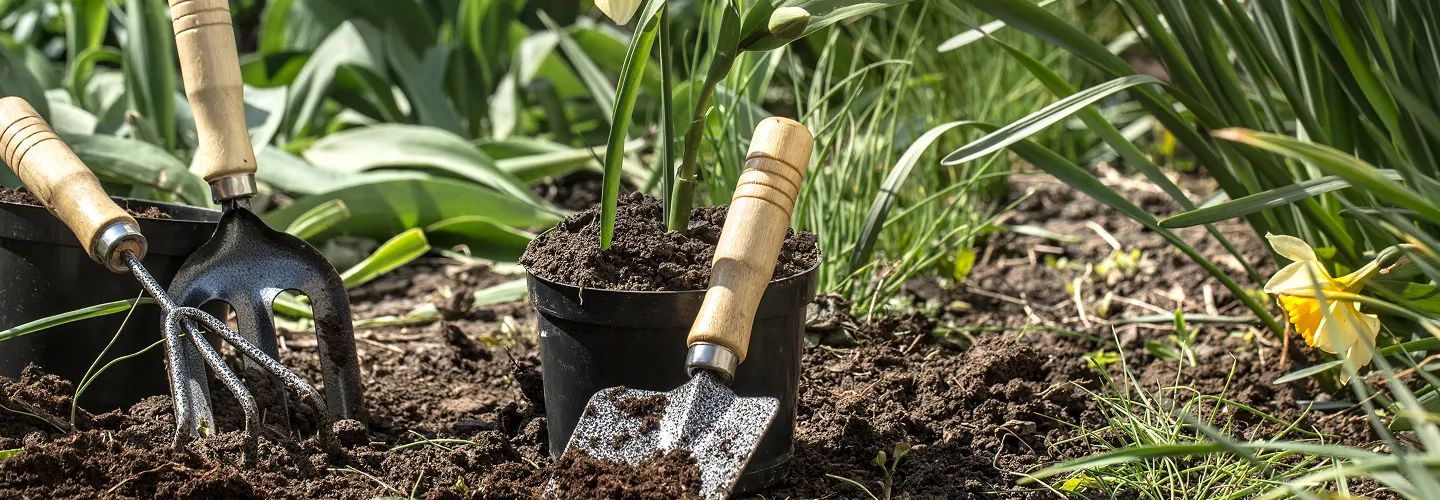
Atlanta Flower Bed Maintenance Services
Choose our expert flower bed maintenance for lush, healthy blooms and weed-free beds—so you can enjoy a beautiful, thriving landscape without the hassle.
Get a Free QuoteOur Atlanta Landscaping & Yard Care Services
When to Schedule Flower Bed Maintenance in Atlanta, Georgia – Seasonal Guide
In Atlanta, Georgia, the best times for flower bed maintenance are shaped by our unique climate and local landscape features. Spring and early fall are generally optimal, as Atlanta’s last frost typically occurs in mid-March, allowing for safe planting and mulching. The city’s hot, humid summers—especially in neighborhoods like Buckhead and Decatur—mean that early preparation helps beds withstand drought and heat stress. Soil composition varies from the clay-heavy ground in East Atlanta to the loamier soils near Piedmont Park, impacting drainage and plant selection. Shade from mature oaks in Virginia-Highland or the open sun of Grant Park also influences when and how to maintain your beds. Local environmental factors such as humidity, rainfall patterns, and even municipal watering restrictions play a role in scheduling. For more information on local climate data and gardening resources, visit the Sudbury town website.
Local Factors to Consider for Flower Bed Maintenance in Atlanta
- Tree density and shade coverage (e.g., mature canopies in Morningside)
- Soil type and drainage (clay vs. loam)
- Seasonal precipitation and drought risk
- Frost dates and temperature swings
- Terrain and slope (affecting runoff and erosion)
- Municipal watering restrictions and local ordinances
Benefits of Flower Bed Maintenance in Atlanta

Enhanced Curb Appeal
Weed and Pest Prevention
Seasonal Color Management
Improved Plant Health
Professional Expertise
Time and Effort Savings

Atlanta Flower Bed Maintenance Types

Seasonal Flower Planting
-
Weed Control Services
-
Mulching and Soil Conditioning
-
Edging and Bed Redefining
-
Fertilization Programs
-
Pest and Disease Management
-
Irrigation System Maintenance
Our Flower Bed Maintenance Process
Site Evaluation
Weed Removal
Soil Preparation
Plant Care
Mulching
Why Choose Atlanta Landscape Services

-
Atlanta Homeowners Trust Us
-
Expert Lawn Maintenance
-
Competitive Pricing
-
Professional Team
-
Satisfaction Guarantee
-
Personalized Service
-
Reliable Scheduling
Atlanta's Red Clay Soils and Seasonal Timing for Flower Bed Maintenance
Atlanta falls within USDA Hardiness Zone 7b, and its predominant soils are Piedmont Ultisols — specifically Cecil and Appling series red clay loams — characterized by high compaction potential, moderate-to-poor drainage, and naturally acidic pH levels typically ranging from 5.5 to 6.2. These conditions directly affect flower bed performance. Compacted clay beneath bed surfaces restricts root penetration and causes standing water after Atlanta's frequent summer thunderstorms. Recommended practices for Atlanta flower beds include:
- Amending bed soil with 3–4 inches of compost worked to a depth of 8–10 inches before planting
- Testing soil pH annually using kits available through UGA Cooperative Extension and adjusting with lime or sulfur as indicated
- Scheduling major bed renovation between late February and mid-March, before summer heat stress begins
- Avoiding deep cultivation during July and August when soil moisture stress is highest
Consulting the USDA Web Soil Survey can help property owners identify specific soil series on their lots before undertaking significant bed installation or amendment projects.
Protecting Atlanta Watershed Corridors During Flower Bed Mulching and Edging
Atlanta contains numerous stream corridors — including Peachtree Creek, Nancy Creek, South Fork Peachtree Creek, and Proctor Creek — that are subject to stormwater management requirements administered by the Atlanta Department of Watershed Management. Flower bed maintenance activities near these corridors require careful material management to prevent runoff of mulch, fertilizer, and soil amendments into storm drains and waterways. Key compliance practices include:
- Maintaining a minimum 25-foot undisturbed buffer from stream banks where required under city stormwater ordinances
- Avoiding application of granular fertilizers within 10 feet of storm drain inlets or drainage swales
- Using shredded hardwood or pine bark mulch rather than loose materials that displace easily during rain events
- Preventing mulch from being blown or washed into street gutters or catch basins
The Georgia EPD Watershed Protection Branch establishes water quality standards applicable to urban runoff statewide, and Atlanta's municipal stormwater program operates under a federally required MS4 permit consistent with the Clean Water Act.
Atlanta Department of Watershed Management
72 Marietta Street NW, Atlanta, GA 30303
Phone: (404) 546-0311
Official Website: Atlanta Department of Watershed Management
Selecting Heat- and Shade-Tolerant Plants for Atlanta's Diverse Bed Conditions
Atlanta's urban landscape presents a wide range of light and moisture conditions, from full-sun front beds in open subdivisions to deeply shaded beds beneath mature hardwood canopies in older neighborhoods such as Druid Hills and Morningside. Summer temperatures regularly exceed 90°F from June through August, and humidity levels accelerate fungal pressure on susceptible annuals. UGA Cooperative Extension recommends the following plant categories for Atlanta-area flower beds:
- Full sun, heat-tolerant annuals: Lantana, Pentas, Vinca, and Gaillardia perform reliably through Atlanta's long warm season
- Shade-tolerant perennials: Hellebores, Astilbe, and native Coral Bells (Heuchera) establish well under canopy cover
- Native options: Black-eyed Susan (Rudbeckia hirta), Coneflower (Echinacea purpurea), and Wild Blue Indigo (Baptisia australis) are adapted to Georgia Piedmont conditions and support local pollinators
- Invasive species to avoid: English Ivy, Nandina domestica (heavenly bamboo), and Liriope spicata can spread aggressively; consult UGA Extension - Invasive Species for current guidance
Plant selection should account for the specific microclimate of each bed, including proximity to impervious surfaces that increase heat load and accelerate soil drying.
Atlanta Code Enforcement Standards for Overgrown and Neglected Flower Beds
The Atlanta Inspections & Code Enforcement division enforces property maintenance standards that apply to residential and commercial landscaping, including flower beds visible from public rights-of-way. Neglected beds with excessive weed growth, dead plant material, or accumulated debris may be subject to code violation notices. Property owners and managers should be aware of the following:
- Atlanta's property maintenance code requires that landscaped areas be kept free of noxious weeds and dead vegetation that create nuisance or fire hazard conditions
- Overgrown beds adjacent to sidewalks or street frontages may trigger complaints processed through the city's 311 system
- Bed debris — including pulled weeds, dead annuals, and spent mulch — must be properly bagged or containerized for collection rather than left loose at the curb
- Repeat violations may result in city-contracted remediation with costs assessed to the property owner
Property owners uncertain about specific frontage maintenance requirements should verify current standards directly with Atlanta Inspections & Code Enforcement before undertaking seasonal bed cleanouts.
Atlanta Inspections & Code Enforcement
55 Trinity Avenue SW, Atlanta, GA 30303
Phone: (404) 330-6190
Official Website: Atlanta Inspections & Code Enforcement
Organic Debris Disposal from Atlanta Flower Bed Cleanouts
Seasonal flower bed maintenance generates significant volumes of organic debris, including spent annuals, pulled weeds, trimmed perennial foliage, and replaced mulch. The Atlanta Department of Public Works manages residential yard waste collection as part of the city's sanitation program. Property owners should follow these disposal procedures:
- Yard waste must be placed in kraft paper bags or rigid containers — not plastic bags — for curbside collection on designated yard waste pickup days
- Bundled woody stems from ornamental grasses or shrubby perennials must be tied securely and kept to manageable bundle lengths; verify current size limits with the Department of Public Works
- Large-volume bed renovation debris from commercial properties may require private hauling arrangements rather than curbside pickup
- Composting bed debris on-site is permitted for residential properties and reduces disposal volume; avoid composting diseased plant material
Confirm current collection schedules and container requirements with the Department of Public Works, as pickup days vary by zone across Atlanta neighborhoods.
Atlanta Department of Public Works
55 Trinity Avenue SW, Suite 4600, Atlanta, GA 30303
Phone: (404) 330-6333
Official Website: Atlanta Department of Public Works
What Neighborhoods Do We Serve Throughout Atlanta, GA?
Flower bed maintenance needs vary considerably across Atlanta's diverse neighborhoods, reflecting differences in soil conditions, canopy cover, lot age, and proximity to drainage features.
- Druid Hills: Mature hardwood canopy creates deeply shaded bed conditions requiring shade-tolerant plant selections; older lots often have compacted clay beneath established beds.
- Buckhead: A mix of large residential lots and commercial frontages with high HOA and code visibility standards; beds along major corridors require consistent seasonal color rotation.
- Grant Park: Older in-town lots with variable soil quality and proximity to urban tree canopy; beds near the park's wooded edges may experience root competition and moisture fluctuation.
- Midtown: Dense urban development with limited bed space, high impervious surface heat load, and storm drain proximity requiring careful fertilizer and mulch management.
- Cascade Heights: Established residential neighborhood with red clay soils and moderate slope; drainage management during bed amendment is important to prevent erosion.
- Kirkwood: In-town neighborhood with a mix of renovated and original lots; mature street trees create variable light conditions and significant leaf load affecting bed maintenance timing.
- West End: Historic residential area with older soil profiles and proximity to Proctor Creek corridor; beds near drainage swales require buffer-conscious maintenance practices.